Top Offshore Online Casinos for 2025: Licensed Platforms, Payout Speeds, and Safe Banking Options
Offshore online casinos are gambling platforms that operate outside of a player’s home country, yet they remain fully accessible through any standard web browser. A player simply creates an account, deposits funds using credit cards or digital wallets, and immediately gains access to thousands of slot games, table games, and live dealer options. The primary benefit of these casinos is the complete gaming freedom they provide, as they are not bound by the restrictions imposed on local operators, allowing for higher payout percentages and uncapped winning limits. To use them safely, one selects a reputable platform, verifies the withdrawal process, and then plays directly on the site without any geographic interruption.
What Exactly Sets International Gaming Platforms Apart From Local Sites
What truly sets international gaming platforms apart from local sites is their sheer **operational scale and player diversity**. Offshore online casinos cater to a global audience, so they prioritize currency flexibility, multilingual support, and payment methods that ignore borders—think crypto, e-wallets, and instant bank transfers that local sites rarely match. Because they compete worldwide, these platforms invest heavily in game variety, aggregating thousands of titles from dozens of studios, whereas local sites often rely on a limited, regional library. This global pressure also fuels aggressive bonuses and loyalty programs, designed to retain players who have endless alternatives.
Playing offshore means you aren’t bound by your home market’s payment bottlenecks or game droughts—the entire world’s catalog and banking options become your baseline.
The practical result is a smoother, richer experience where local convenience is replaced by international flexibility and sheer abundance.
Why Players Choose Operators Based Outside Their Home Country
Players often choose operators based outside their home country because offshore platforms provide a distinct layer of personal control over their gambling environment. For example, they may seek payment methods that local sites block, such as certain e-wallets or cryptocurrencies. Additionally, a foreign operator might offer higher betting limits or game variations that are unavailable domestically. The selection typically follows a practical sequence: first, confirming the operator accepts players from their region; second, checking whether withdrawal speeds match their expectations; and third, verifying that customer support operates in their language. This approach prioritizes usability over convenience, favoring policies that align with individual preferences.
Key Differences in Game Libraries and Software Providers You Won’t Find Locally
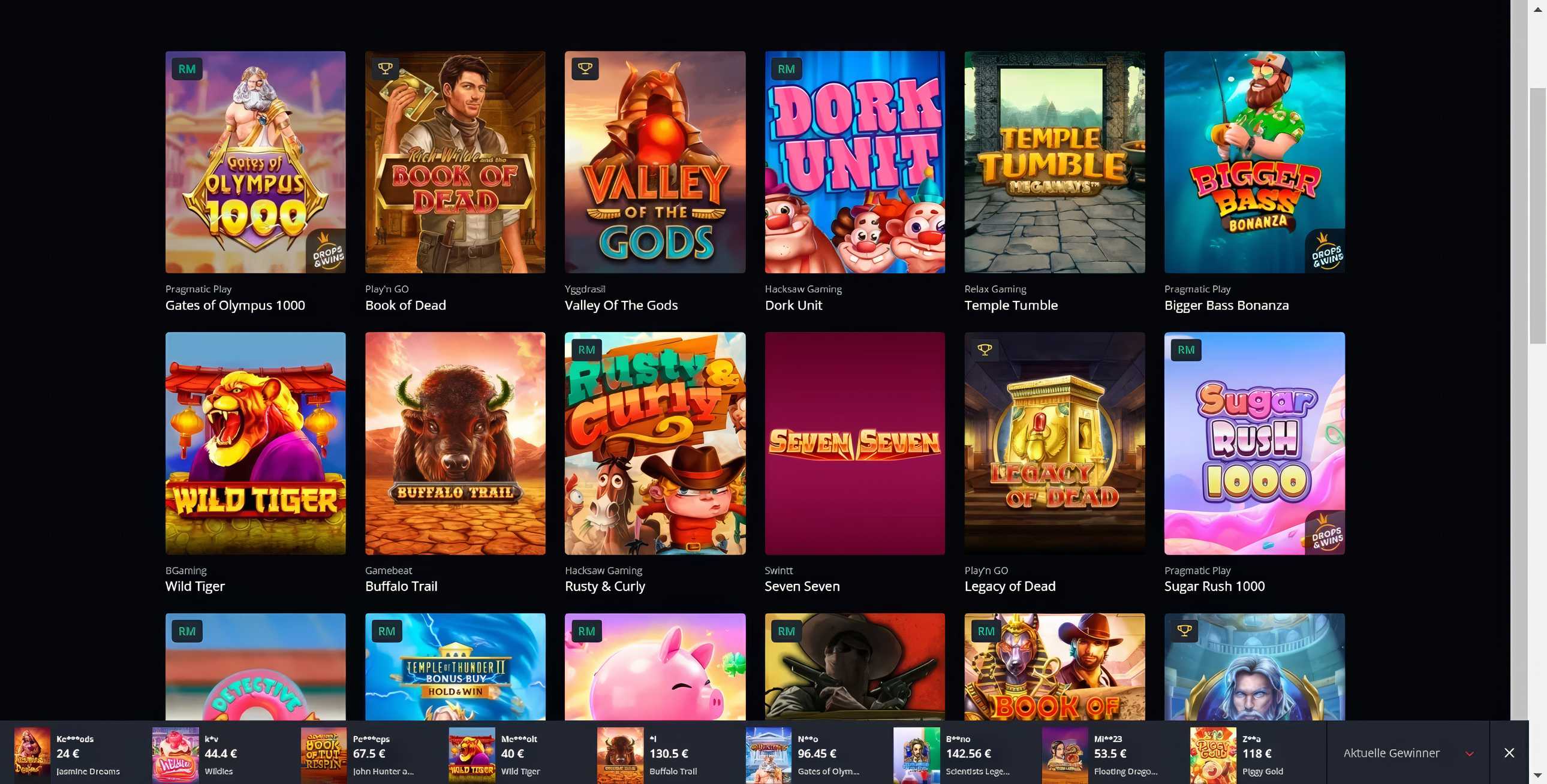
The most immediate difference you will notice is the sheer scale of the game library. Offshore platforms often host thousands of titles from studios like NetEnt, Play’n GO, and Pragmatic Play, whereas local sites are typically restricted to a handful of regional developers. This access to exclusive international game portfolios means you get high-volatility slots and live dealer tables with unique rule variations that simply do not exist on domestic servers. Furthermore, these foreign providers frequently release new mechanics—like bonus buy features or cluster pays—months before they are licensed elsewhere, if ever. You are not just getting more games; you are getting a completely different catalog of software that local regulators have never approved for distribution.
Q: What is the most tangible difference in game libraries on offshore sites?
A: The presence of entire software suites from global giants, featuring proprietary jackpot networks and gamification tools, that are absent from any locally available platform.
How to Verify a Foreign Casino’s Fairness and Payout Speed Before Depositing
To verify fairness at an offshore online casino, demand **provably fair games**—those with open-source algorithms you can audit independently via cryptographic hashes before you wager. For payout speed, test the cashier with a small withdrawal immediately after a tiny deposit, tracking the exact time from request to wallet arrival. Avoid sites that hide their payment processor or lack a live chat that answers settlement queries instantly. Cross-check player forums for real withdrawal timestamps, not screenshots, and insist on e-wallets or crypto, which offshore operators process faster than bank wires.
A foreign casino that delays a $50 test payout will delay your $5,000 win.
If the game history can’t be exported for third-party verification, treat it as rigged and move on.
Practical Checks for Game Certifications and Random Number Generator Audits
Before depositing at an offshore casino, verify RNG audit certificates by locating the certifying lab’s logo—typically iTech Labs, eCOGRA, or GLI—and cross-referencing the game’s exact title and version on the lab’s public verification page. Most certifications expire after 12 months, so check the “valid through” date. For a practical sequence: first, search the casino’s footer for the cert’s hyperlink; second, click through to the lab’s report and confirm the audit period covers today’s date; third, test the game’s historical return-to-player (RTP) against the certified percentage using a third-party tracker like CasinoMeister’s data. If the certification omits a specific game build, treat that slot as unverified, regardless of the casino’s marketing. Also request the casino’s internal RNG test log via live chat—reputable operators share recent entropy-test timestamps without hesitation.
Reading Withdrawal Terms to Avoid Surprises on Cash-Out Times and Limits
Before depositing at an offshore casino, scrutinize the withdrawal policy like a contract, not a suggestion. Look for the exact processing window—often three to seven business days—and separate it from the bank’s clearing time, which can add another week. Identify hard caps on monthly cash-outs, which can strand winnings if you hit a jackpot, and check for per-transaction fees that silently erode your balance. Also, verify if the rollover requirement is attached to the deposit or the bonus, as this delays your first eligible payout. Reading withdrawal terms https://jerusalemonline.com to avoid surprises on cash-out times and limits means confirming whether verification documents must clear before your first request, or you risk a frozen withdrawal.
Q: Why must I read withdrawal terms before depositing at an offshore casino?
A: Because the policy reveals whether your winnings are payable within a week or a month, and whether monthly caps or verification delays will block your access to funds entirely.
The Real Benefits of Playing at Unlicensed or Lightly Regulated Sites
For players using offshore online casinos, the real benefits of lightly regulated sites center on unrestricted gameplay and higher payout flexibility. Unlike heavily controlled platforms, these operators often impose no caps on winnings, allowing you to withdraw large sums without staggered limits. You’ll also find instant-play bonuses and crypto-friendly transactions that bypass traditional banking delays, meaning funds land in hours, not days. Crucially, lightly regulated sites frequently offer anonymity—no mandatory KYC uploads—so you avoid sharing sensitive ID documents. Your privacy and withdrawal speed become the true currency here, not compliance paperwork. For seasoned bettors, this translates to fewer frozen accounts and no “source of funds” interrogations, letting you focus purely on game advantage and bankroll control.
Higher Bonus Percentages and More Generous Cashback Offers Explained

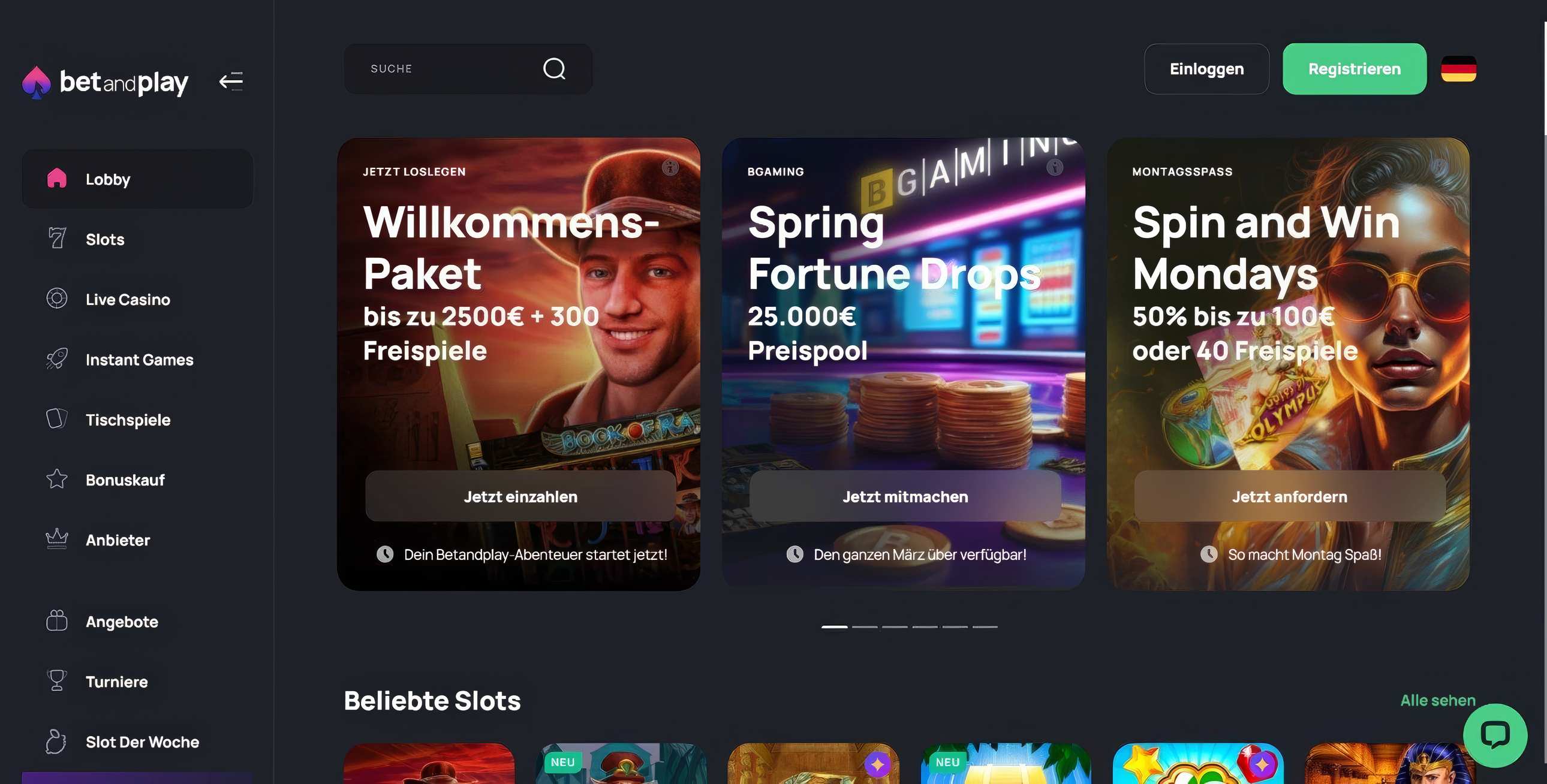
Offshore operators leverage their reduced overhead to offer significantly higher bonus percentages than regulated rivals, often doubling or tripling standard deposit matches. Instead of a rigid 100% cap, you’ll find 200%–500% packages with lower wagering thresholds, meaning real cash value rather than inflated playthrough traps. Cashback is equally aggressive: weekly loss rebates of 15–25% are routine, paid instantly as withdrawable funds—not sticky credits. Unlike licensed sites that claw back losses after a bad streak, offshore cashback acts as a safety net, effectively reducing your house edge on every session. Loss coverage this generous is simply unavailable where compliance costs dictate thinner margins.

Access to Exclusive High-Stakes Tables and VIP Programs Without Local Caps
At offshore online casinos, high-stakes table access without local caps means your betting ceiling is defined purely by your bankroll, not by regional licensing thresholds. You can join private baccarat, blackjack, or roulette tables where minimums start at $5,000 per hand, with no mandated maximum that a domestic operator would enforce. VIP programs at these sites operate on a direct, negotiated basis—your host assigns a dedicated account manager who adjusts table limits in real time, raises your cashback percentage based on weekly volume, and offers reload bonuses that match your largest single deposit. Unlike capped domestic VIP tiers, offshore programs allow you to escalate to platinum status after a single weekend of play, unlocking same-day withdrawals and no-limit tournament entries. There are no annual win caps or forced table breaks, so your session duration and stake size remain entirely self-governed.
Payment Methods That Work Best for Cross-Border Gambling Transactions
For offshore online casinos, cryptocurrencies like Bitcoin and Ethereum remain the most effective cross-border payment method, bypassing banking restrictions and settling instantly with minimal fees. E-wallets such as Skrill and Neteller also work reliably, acting as intermediaries that shield your bank details while converting currencies at competitive rates. Prepaid cards, though less common, offer anonymity but often carry higher conversion charges. Stablecoins (USDT) are superior for avoiding volatility when moving large sums. Q: Why do bank transfers fail offshore? A: Because international banks flag high-risk gambling merchants, freezing or rejecting transactions, while crypto and e-wallets operate outside that scrutiny. Always choose methods with low withdrawal minimums and no currency conversion markup to maximize your bankroll.
Using Cryptocurrencies for Instant Deposits and Anonymous Withdrawals
For offshore casino players prioritizing speed and privacy, cryptocurrency transactions eliminate banking delays entirely. Deposits via Bitcoin, Ethereum, or stablecoins confirm on-chain within minutes—no card issuer holds or intermediary approval—so your bankroll is active immediately. Withdrawals bypass traditional KYC-linked rails; a wallet address is all the casino needs, meaning winnings arrive without a paper trail tied to your identity. Choose coins with low fees (Litecoin, Tron) to avoid network congestion costs, and always verify the casino’s withdrawal minimums—some require a single full-block confirmation, adding 10–30 minutes. For true anonymity, use a fresh wallet per transaction and avoid exchanges that link your identity. This combination of instant settlement and untraceable payouts makes crypto the only method where deposit speed and withdrawal discretion coexist seamlessly.
Cryptocurrencies give offshore gamblers instant, chain-confirmed deposits and fully anonymous withdrawals—no banks, no hold times, no identity trail.
Choosing E-Wallets and Prepaid Cards That Minimize Banking Fees
When selecting payment tools for offshore casino play, prioritize e-wallets like Skrill or Neteller that offer zero-fee deposits and low flat-rate withdrawals, as these eliminate the percentage-based charges common with credit cards. Prepaid cards such as Paysafecard work best when you purchase them at face value and use the full balance, avoiding reload or inactivity fees. Compare currency conversion costs, since some e-wallets charge 3–4% on non-USD transactions, while specific prepaid cards lock in exchange rates at purchase. Look for options where casino bonuses offset any residual withdrawal cost, and verify that the wallet’s fee schedule remains static across multiple transactions—dynamic pricing erodes bankrolls quickly. Ultimately, the **most cost-effective combination** pairs a fee-free e-wallet with a prepaid card for single-use deposits, ensuring no recurring maintenance charges.
Smart Strategies for Managing Your Bankroll on International Betting Sites
When you’re playing at offshore online casinos, your bankroll is your lifeline, so treat it like a business expense, not a lottery ticket. Start by setting a strict weekly deposit cap that you can afford to lose—this keeps the fun alive without wrecking your finances. Since international sites often offer varied currencies and bonuses, always convert your budget into the site’s base currency to avoid hidden exchange-rate bleed. A killer move is to split your bankroll into smaller session stacks, especially if you’re chasing high-volatility games; once a stack is gone, walk away. Also, leverage cashback offers from offshore platforms—they soften the sting of bad streaks. Never chase a losing session with a bigger bet; instead, drop your unit size by half until you’re back in profit. Finally, set a hard win goal—like 20% above your starting bankroll—and cash out that surplus immediately to lock in gains.
Setting Daily Loss Limits and Session Timers for Long-Term Play
Setting daily loss limits before you start playing at offshore sites is your best move for long-term play, because it turns a vague “stop when I’m down” into a hard number you can’t argue with mid-session. Pair that with a session timer—say, 45 minutes—and you force yourself to step away, reset your head, and avoid tilt-driven revenge bets. Most offshore casinos hide these tools under responsible gambling or account settings, so find them first. Here’s how to make it stick:
- Set your loss cap at a level you won’t miss (e.g., 10% of your bankroll), then never raise it mid-session.
- Use a 30–60 minute timer and take a 10-minute break, not a “just one more spin” pause.
- Log your actual losses vs. your limit weekly—adjust only monthly, not in the heat of the moment.
Maximizing Free Spins and No-Deposit Perks Without Chasing Losses
To turn no-deposit perks into real bankroll growth, treat them as isolated capital—never as a lifeline for previous losses. Start by auditing the wagering requirements and game contribution rates, since slots with high RTP often clear these fastest. Prioritize free spins on volatile titles only when the bonus terms allow winnings to be withdrawn after a single playthrough; otherwise, use them for low-risk practice. Set a cap on time spent with bonus funds—once the perk ends or the balance hits zero, step away. Disciplined bonus exploitation means reclaiming value from every offer while refusing to stake your own money to “unlock” a payout.
- Activate only bonuses with clear, achievable rollover limits.
- Track each perk’s expiry and max cashout to avoid forfeiting gains.
- Quit immediately if you dip into your deposit balance to chase a bonus feature.
Common Pitfalls and How to Avoid Them When Playing on Overseas Platforms

The biggest trap on offshore casino sites is assuming your usual bank card will work—many reject transactions to these operators, so you scramble at deposit time. Avoid this by testing a crypto or e-wallet method *before* you need it, not after. Another quiet killer is the “phantom bonus”: you claim a 200% match, but the wagering fine print demands bets on slots that pay out at 87% RTP, silently bleeding your balance. Always screenshot the terms at signup. Then there’s the withdrawal stall—your 10x playthrough is done, yet the cashout sits “pending” for nine days. The fix is simple: cash out a small amount on day one to verify the pipeline. *Q: What’s the first sign of a rigged game? A: Your spin history shows wins only on demo mode, never real play.* Finally, never store your password in your browser—shared Wi-Fi at a café is how account thefts happen, and offshore support won’t refund you.
Spotting Unfair Bonus Terms and Wagering Requirements That Are Impossible to Meet
Scrutinize the playthrough multiplier before committing, as offshore platforms often hide a 50x requirement behind a modest deposit match. Cross-check whether every game contributes equally—slots may count 100%, but blackjack or roulette might contribute a paltry 5%, making the target mathematically unreachable. Examine the max bet cap during wagering; a $5 limit while needing to wager $10,000 forces thousands of spins, inflating your risk. Also, verify the bonus validity window—72 hours for a 40x turnover is designed to fail. Finally, calculate the effective house edge against the wagering sum; if the expected loss exceeds the bonus value, the offer is a trap.
Unfair bonus terms surface when the wagering requirement exceeds 35x and includes game weighting restrictions.
Q: What is the clearest sign a wagering requirement is impossible to meet?
A: A 60x playthrough on a high-house-edge game like slots, combined with a 24-hour expiration and a $2 max bet, guarantees you lose more than the bonus’s cash value before fulfilling the condition.
What to Do If Your Account Gets Flagged: Identity Verification and Dispute Tips
When an offshore platform flags your account, the immediate step is to re-submit verification documents exactly as requested—usually a government ID, proof of address, and the deposit method’s screenshot. Avoid cropping or editing images, as metadata inconsistencies trigger further review. If verification stalls, file a formal dispute through the casino’s compliance email, referencing your player ID and transaction hashes. Simultaneously, log a complaint with the Curacao or Kahnawake licensing body’s alternative dispute resolution service, since offshore sites often respond faster to third-party pressure. Keep every correspondence timestamped, and never threaten chargebacks prematurely, as that voids your dispute leverage. Clear, unaltered documentation is your primary defense against frozen withdrawals.
Submit unedited documents, escalate to the licensing ADR, and avoid chargebacks until all internal appeals are exhausted.